
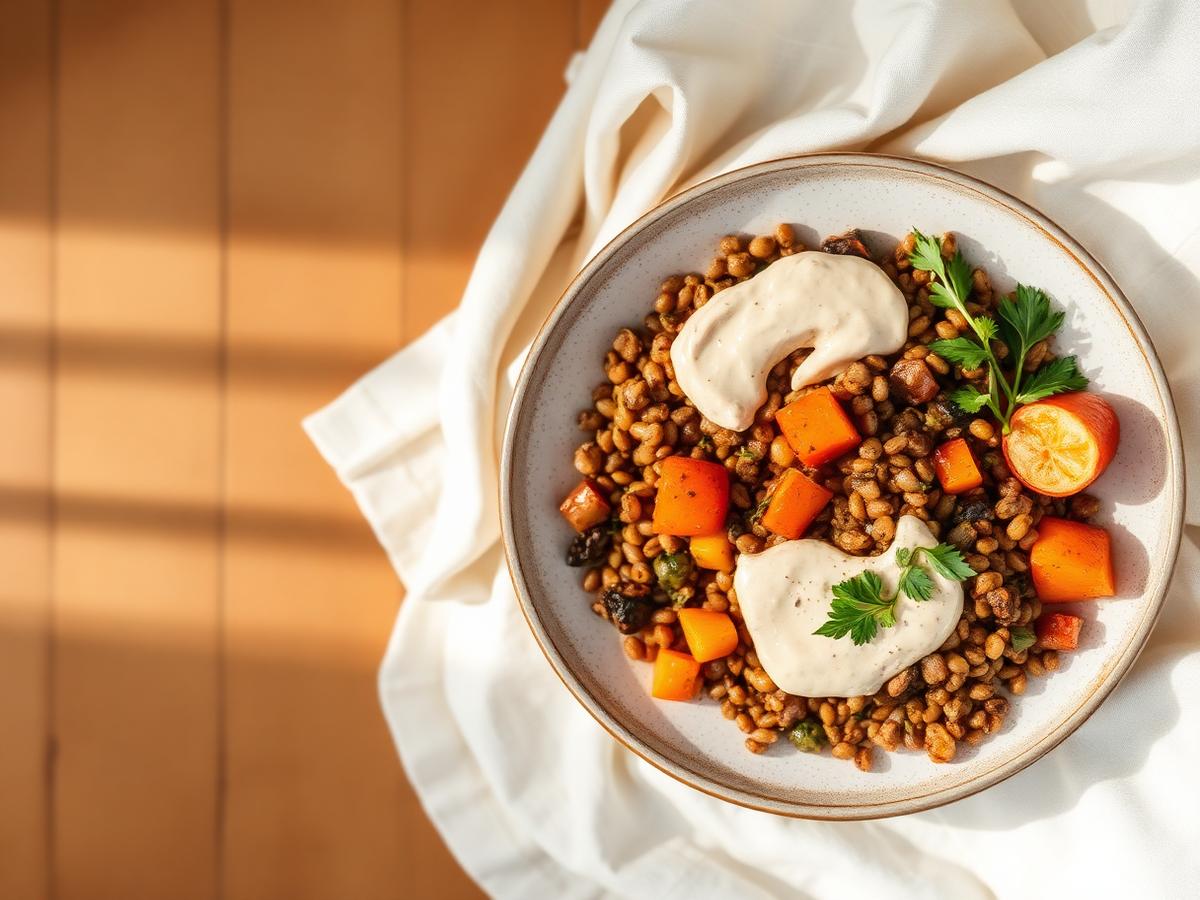
This is the bowl that became my Tuesday-night ritual. The curry paste does the heavy lifting, the coconut milk makes everything silky, and you have a meal that punches way above its 30-minute weight.
Why this is the best weeknight curry you'll make
There's a reason coconut curry noodle bowls have become a fixture on cafe menus everywhere: the combination of creamy coconut milk, fragrant curry paste, slurpable noodles, and crunchy fresh toppings hits almost every craving at once. It's warming and refreshing, rich and bright, comforting and exciting.
What I love about making this at home is the speed — twenty-five minutes from cold pan to bowl on the table — and the flexibility. You can use whatever vegetables are in your fridge, swap the noodles based on what you have, and adjust the heat to your liking. Once you understand the method, this becomes a recipe you'll cook on autopilot.
The trick to a great coconut curry isn't a long ingredient list. It's getting the curry paste properly bloomed in oil before adding any liquid, and using full-fat coconut milk rather than the watery 'light' version. Those two details separate a brilliant bowl from a flat one.
- Twenty-five minutes from start to finish
- Naturally vegan and gluten-free with rice noodles
- Endlessly adaptable to whatever vegetables you have
- Tastes better than most takeaway versions
Choosing your curry paste
Curry paste is the soul of this dish, so it's worth seeking out a good one. Look for Thai red curry paste from a brand like Maesri, Mae Ploy, or Thai Taste — these tend to have shorter ingredient lists and more authentic flavour than supermarket own-brands. Most contain shrimp paste, so check the label if you need it strictly vegan; brands like Thai Taste and Mae Ploy now offer vegan versions.
Red curry paste leans warm and slightly sweet, with chilli, lemongrass, galangal, garlic, and shallots. Green curry paste is sharper and more herbal — it works equally well in this recipe if that's what you prefer. Yellow curry paste, milder and more turmeric-forward, is excellent for kids or anyone sensitive to heat.
Whichever you use, two heaping tablespoons is the sweet spot for a four-serving pot. Less and the curry tastes timid; more and it overwhelms the coconut milk.
The method, step by step
Bloom the paste
Heat a tablespoon of neutral oil in a wide pan over medium heat. Add the curry paste and cook, stirring constantly, for two to three minutes until it darkens slightly and smells deeply fragrant. This step — called blooming — releases the fat-soluble flavour compounds from the spices and chillies. Skipping it leaves the curry tasting raw and one-dimensional.
Add the coconut milk
Pour in a full can of coconut milk along with about a cup of vegetable broth. Bring to a gentle simmer — never a hard boil, which can split the coconut milk and leave you with an oily film on top. Add a tablespoon of soy sauce or tamari, a teaspoon of brown sugar or maple syrup, and the juice of half a lime to balance the flavours.
Layer in the vegetables
Add longer-cooking vegetables first: thinly sliced carrots, cubed sweet potato, or cauliflower florets need about eight minutes. Add quicker-cooking vegetables like bell peppers, baby corn, or sugar snap peas in the last three minutes. Stir in a couple of handfuls of baby spinach or chopped kale right at the end so they wilt without overcooking.
Cook the noodles separately
Cook your rice noodles according to the package instructions, then drain and rinse with cold water to stop them sticking. I cook them separately rather than directly in the curry — this stops them absorbing all the broth and turning gluey, and keeps leftovers from going stodgy in the fridge.
Toppings make the bowl
A coconut curry without its toppings is a missed opportunity. The contrast between the warm, creamy curry and the bright, crunchy garnishes is what makes this dish memorable. Set them out in small bowls and let everyone build their own.
- Generous handfuls of fresh coriander, Thai basil, and mint
- Lime wedges — non-negotiable
- Crushed roasted peanuts or cashews for crunch
- Thinly sliced red chilli or chilli oil for extra heat
- Crispy fried shallots from a jar (an excellent shortcut)
- Bean sprouts for fresh, juicy texture
Make-ahead and storage
The curry base (without noodles) keeps brilliantly in the fridge for up to four days and the flavours actually deepen overnight. Store the cooked noodles separately in a container tossed with a little sesame oil to stop them clumping. To reheat, warm the curry gently on the stove and add the noodles in the last minute just to warm through.
If you're meal-prepping lunches, divide the curry between containers, top with the noodles, and pack toppings separately in small bags or containers to add just before eating. This is a perfect make-ahead lunch alongside a fresh shaved fennel and blood orange salad or a cooling raspberry coconut yogurt bark.
Method
- Cook noodles per package directions and set aside.
- Sizzle the curry paste in coconut oil for 1 minute until fragrant.
- Add coconut milk and broth, bring to a simmer.
- Add tofu, pepper and broccoli and cook 8 minutes until vegetables are tender-crisp.
- Stir in lime juice, divide noodles into bowls, ladle curry over top, finish with cilantro.
Cook's note
Toast the curry paste properly — it's where all the flavour develops.