
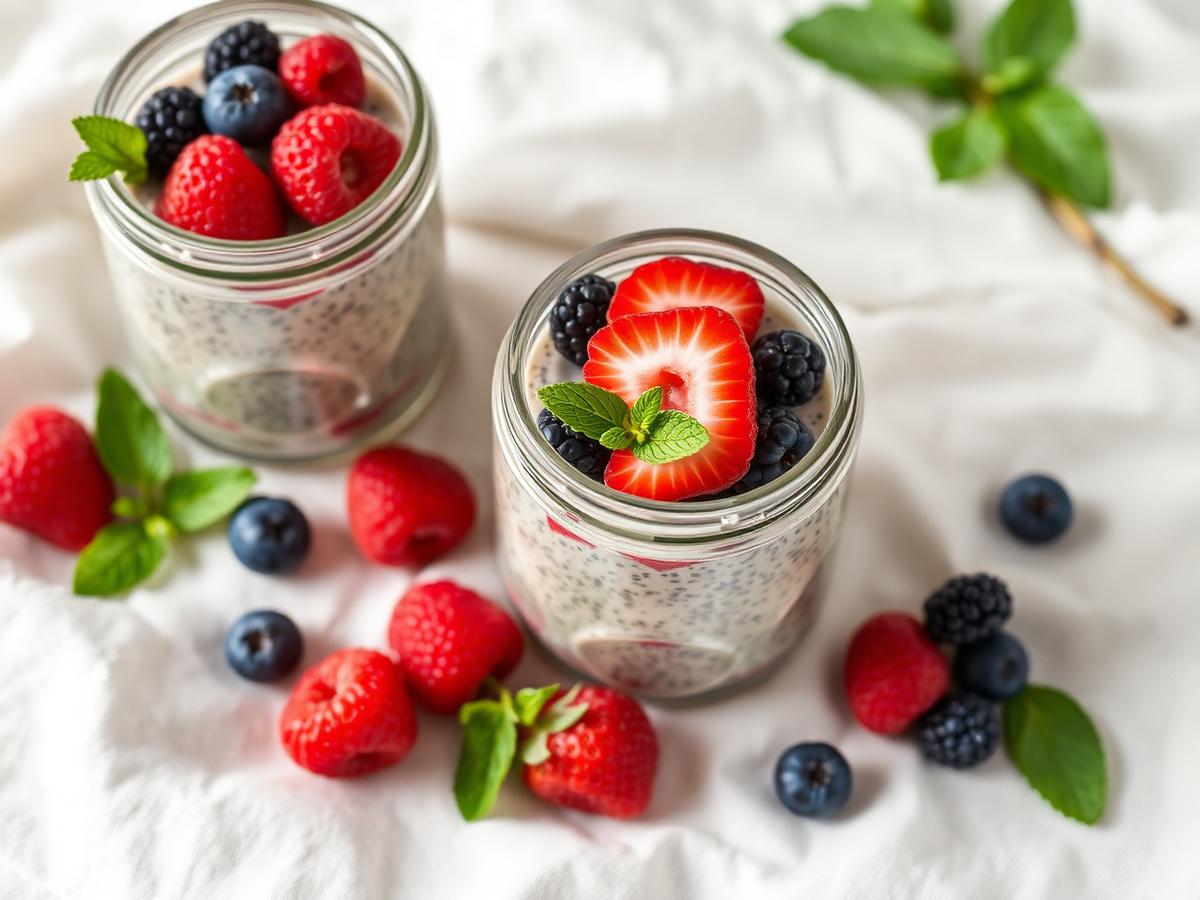
When it's too hot for anything baked, this is the freezer trick I rely on. It snaps like chocolate, melts like ice cream, and qualifies as breakfast in my opinion.
Why frozen yogurt bark is the smartest summer snack
Frozen yogurt bark is one of those rare recipes where the result feels far more impressive than the effort required. You stir together a handful of ingredients, spread them on a tray, and walk away. Two hours later you have a beautiful, shatter-able slab of frozen yogurt that looks like something from a high-end ice cream shop and tastes even better.
What makes this version particularly worth your time is the combination of coconut yogurt and raspberries. The coconut yogurt brings a rich, almost cheesecake-like creaminess, while the raspberries add jewel-bright colour and just enough tartness to keep things interesting. A scatter of toasted coconut on top adds the textural contrast that elevates this from a healthy snack to a genuine dessert.
Unlike ice cream, this bark requires no special equipment, no churning, and no custard base. And unlike most frozen desserts, it actually delivers something nutritionally useful: live probiotic cultures, fibre from the berries, and healthy fats from the coconut.
- Five minutes of active work, then the freezer does the rest
- Naturally dairy-free and refined-sugar-optional
- Probiotic, high in fibre, and rich in antioxidants
- Keeps in the freezer for up to a month
Choosing the right coconut yogurt
Not all coconut yogurts are created equal, and the one you choose will make or break this recipe. You want a thick, unsweetened (or lightly sweetened) coconut yogurt that contains live active cultures — the same kinds you'd find in dairy yogurt. Look for strains like Lactobacillus acidophilus and Bifidobacterium on the label.
According to Harvard Health on fermented foods, fermented foods containing live cultures may support gut microbiome diversity, which is increasingly linked to immune function and mood regulation. Freezing slows the cultures down but doesn't kill most of them — they reactivate as the bark thaws on your tongue.
Avoid coconut yogurts that list water as the first ingredient or contain a long list of stabilisers. The best ones have just coconut cream, water, and live cultures. Brands like CoYo, Nush, and the Coconut Collaborative tend to deliver the right thick texture.
What goes into the bark and why
Raspberries: small berries, big nutrition
Raspberries are one of the highest-fibre fruits you can eat, with about 8 grams per cup — most of it in the form of insoluble fibre that supports digestive regularity. They're also packed with ellagic acid and anthocyanins, antioxidant compounds being studied for their anti-inflammatory effects.
Use fresh raspberries when they're in season for the best flavour, but frozen raspberries work beautifully too — and often have higher antioxidant levels because they're picked at peak ripeness and frozen immediately. If using frozen, scatter them directly on the yogurt without thawing.
A touch of maple or honey
Coconut yogurt on its own can be quite tart, especially the unsweetened variety. A drizzle of maple syrup or raw honey balances the acidity without overwhelming the natural flavours. Maple syrup keeps it vegan; honey adds its own subtle floral notes that pair beautifully with raspberries.
Start with two tablespoons for every cup of yogurt and taste before spreading. The sweetness will mute slightly when frozen, so the mixture should taste a touch sweeter than you'd want it served at room temperature.
Toasted coconut and beyond
Toasting the coconut flakes for just two or three minutes in a dry pan transforms them completely — they go from chewy and bland to golden, nutty, and aromatic. Don't skip this step. You can also add chopped pistachios for colour contrast, cacao nibs for a chocolatey crunch, or a scattering of bee pollen for a hit of golden colour.
Technique that guarantees clean shards
The two most common bark failures are bark that won't release from the parchment and bark that turns to slush the moment it leaves the freezer. Both are easy to avoid.
First, line your tray with parchment paper and let it overhang the edges — this gives you handles to lift the frozen bark out cleanly. A silicone baking mat works even better if you have one. Second, spread the yogurt to a thickness of about 1 cm: any thinner and it shatters into dust, any thicker and it takes too long to bite through.
Once it's frozen solid (at least two hours, preferably overnight), break it into rough shards with your hands rather than cutting with a knife. The irregular edges look more appealing and break more naturally along the lines of the toppings.
How to serve and store
Yogurt bark melts faster than ice cream, so serve it straight from the freezer onto cold plates. It's at its best within about five minutes of leaving the freezer, when the surface is just starting to soften but the centre still has structure.
Store the shards in an airtight container with parchment paper between layers to prevent sticking. They'll keep their texture for about a month in the freezer. After that they're still safe to eat but may develop ice crystals that affect the creaminess.
Pair it with a cucumber-mint cooler for a refreshing afternoon break, or serve as a light dessert after a heavier meal like a coconut curry noodle bowl.
Method
- Whisk yogurt with honey and vanilla until smooth.
- Spread onto a parchment-lined sheet pan in an even layer about 1 cm thick.
- Scatter raspberries, coconut and pistachios across the top.
- Freeze for at least 4 hours, then break into shards. Keep frozen.
Cook's note
Use full-fat yogurt — low-fat freezes hard and icy.