
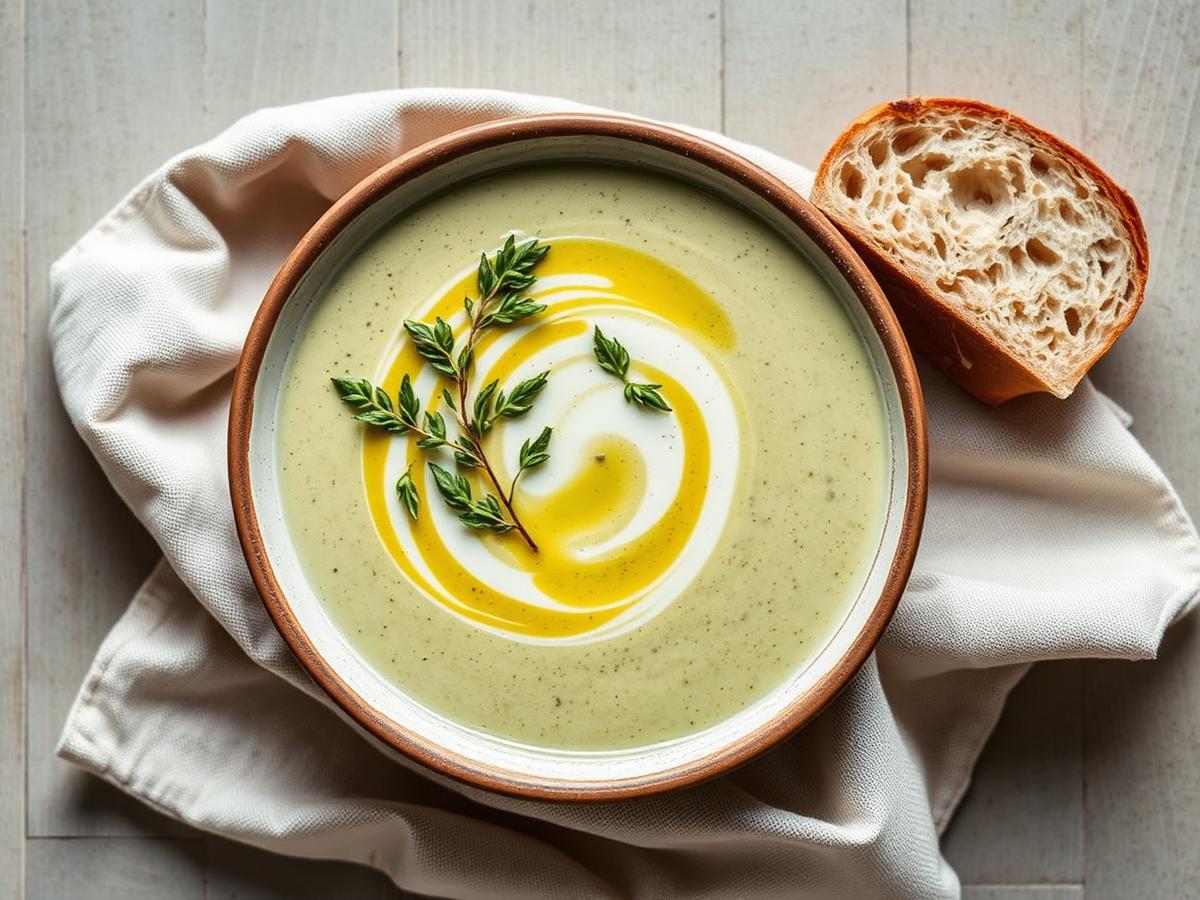
There's something restorative about a properly smooth soup. This one tastes like a sweet morning carrot, sharpened with ginger and rounded by coconut milk.
The restorative bowl that lives in my weekly rotation
There's something genuinely restorative about a properly smooth, silky pureed soup. This one tastes like the sweetest version of a morning carrot, sharpened with fresh ginger and rounded by a splash of coconut milk. It's the bowl I make when I feel a cold coming on, and the bowl I make when I want something elegant for a dinner-party starter — it pulls double duty effortlessly.
Five main ingredients, 35 minutes, and a result that tastes like it took a lot more effort than it did. The technique is simple but exact — the difference between good and great is in the blending.
- Just 5 main ingredients
- Naturally vegan and gluten-free
- Ready in 35 minutes
- Freezes beautifully for batch-cooking
Ingredient notes
The carrots matter more than you'd think
Because there are so few ingredients, the carrots are doing 70% of the flavour work. Look for medium carrots with their green tops still attached if possible — they tend to be sweeter and fresher than the bagged kind. Big woody winter carrots can taste flat; trim out any tough cores if your carrots are over an inch in diameter.
Don't peel them if they're well-scrubbed — most of the colour and flavour sits just under the skin.
Fresh ginger only
Ground ginger is no substitute here — it tastes dusty and one-note. Use a thumb-sized piece of fresh ginger, peeled (a teaspoon scrapes the skin off easily) and roughly sliced. The blender will smooth it out completely. For a more intense ginger hit, add the juice of a fresh ginger root squeezed through a garlic press at the end.
Full-fat coconut milk
Use canned full-fat coconut milk, not the watery cartoned drinking kind. Shake the can well before opening, or scoop out the thick cream and use that with a splash of water. The fat is what gives the soup its luxurious mouthfeel; light coconut milk will leave it thin and one-dimensional.
Method: the blending secret
The single biggest variable in a pureed soup is the blender. A high-speed blender (Vitamix, Blendtec, or a good Ninja) gets you to silken-smooth in 60 seconds. A regular blender takes 3–4 minutes and may never get fully smooth — pass the soup through a fine sieve afterwards if so. An immersion blender is the worst option for ultra-smooth soups; it leaves a slightly grainy texture.
- Sweat the onion gently for 5 minutes — don't brown it, you want sweetness not savoury
- Add ginger for the last minute of sautéing to release its oils
- Simmer the carrots until completely tender — under-cooked carrots will leave fibres in the soup
- Blend hot in batches, leaving the lid vent slightly cracked to release steam
- Stir in coconut milk after blending so it stays creamy and doesn't break
Toppings that elevate the bowl
A swirl of coconut milk on top is the classic move — it's also non-negotiable for the photogenic version. Beyond that, a few options that work beautifully:
- A spoonful of harissa swirled in for heat and smoke
- Toasted pumpkin seeds or coconut flakes for crunch
- A drizzle of chilli oil and a few coriander leaves
- A poached egg on top to make it a meal
- Pair with our {{LINK:0}} for a complete light dinner
Variations on the theme
The base technique works with almost any sweet root vegetable. Try:
- Roasted butternut squash instead of carrots for an autumnal version
- Sweet potato + carrot 50/50 for extra body
- Add a teaspoon of curry powder with the ginger for a Thai-inspired soup
- Swap coconut milk for cashew cream for a different richness
- Add an apple to the simmer for a subtle sweetness boost
Make-ahead and freezing
This soup keeps for 5 days in the fridge and freezes beautifully for 3 months. Freeze in single-serving containers or silicone freezer trays for grab-and-go portions. Thaw in the fridge overnight or reheat directly from frozen on low heat.
If reheating from frozen, the texture may separate slightly — a quick blitz with an immersion blender brings it back to silky.
The anti-inflammatory case
Carrots are one of the densest sources of beta-carotene, which the body converts to vitamin A — essential for eye health, immune function, and skin. Ginger contains gingerol, a compound with well-documented anti-inflammatory and digestive benefits. The National Center for Complementary and Integrative Health has a thorough overview of the evidence behind ginger's anti-inflammatory and anti-nausea effects.
Frequently asked questions
What if I don't like coconut?
Substitute cashew cream (1/2 cup raw cashews soaked in hot water for 10 minutes, then blended with 1/2 cup water until smooth) or oat cream. Both give a similar luxurious texture without the coconut flavour.
How do I adjust the consistency?
For a thinner soup, add an extra cup of broth at the blending stage. For a thicker soup, simmer uncovered for 5–10 extra minutes to reduce. The soup also thickens significantly as it cools.
How do I make it spicier?
Add a small piece of fresh chilli or a pinch of cayenne with the ginger. Or finish each bowl with chilli oil — that way each diner can adjust their own heat level.
Method
- Sauté onion in olive oil for 5 minutes, add ginger for another minute.
- Add carrots and broth, simmer 20 minutes until carrots are completely tender.
- Blend until silky smooth, ideally in a high-speed blender.
- Stir in coconut milk, season generously, and reheat gently.
Cook's note
A spoonful of harissa swirled in at the end takes this in a beautiful direction.